
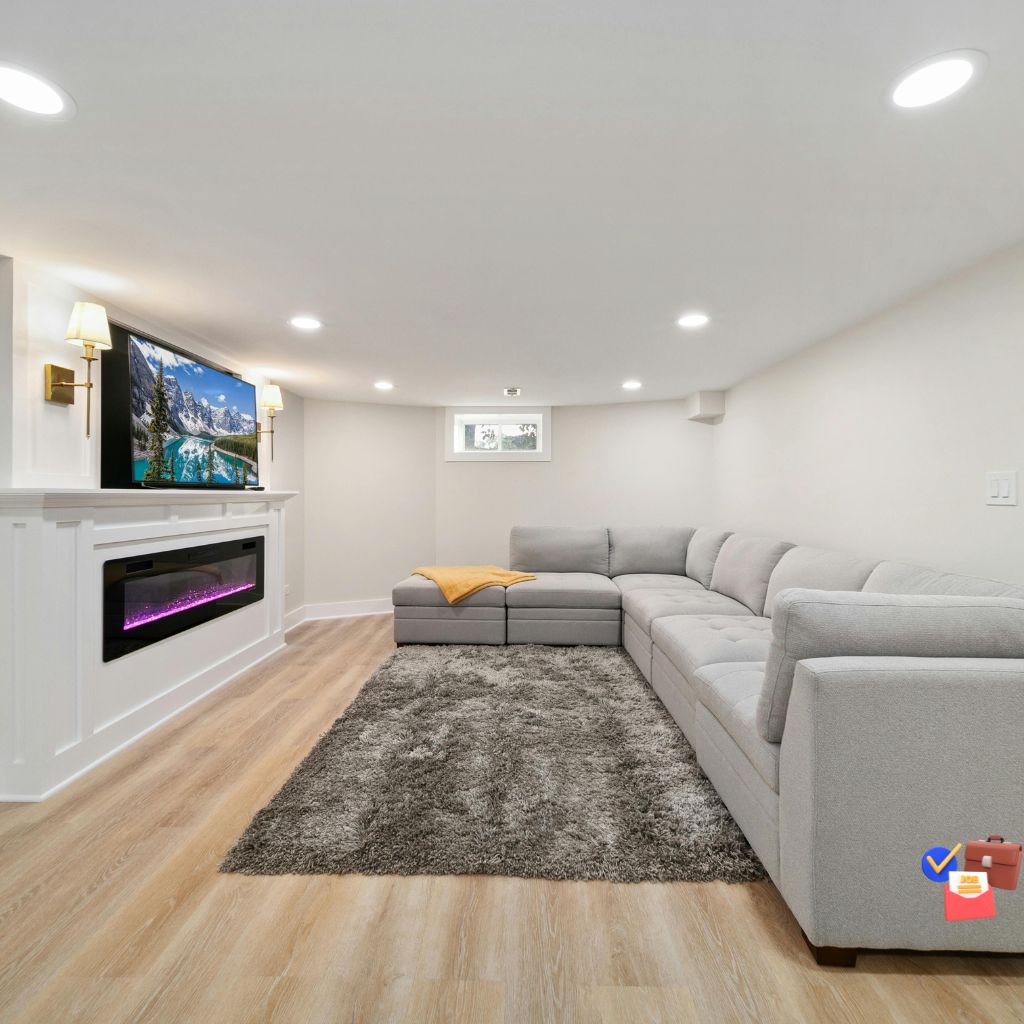
Are you wondering how much a basement apartment can add to your home’s value? Many homeowners ask this question because a finished basement can be a big investment — but how much does it really increase what your home is worth?
When I first bought my house, I wasn’t sure if finishing the basement was worth the money. I wanted to rent it out but also hoped it would help when I sold the house. After researching and talking to experts, I learned that a well-done basement apartment can significantly boost your home’s market value — but the amount depends on several factors.
In this article, I’ll explain how basement apartments impact home value, the pros and cons of basement bedrooms, and how to calculate the return on investment (ROI). If you’re thinking about renovating your basement or selling your home soon, this guide will help you decide.
Is a basement apartment a good investment?
A basement apartment can be a good investment if done right. It provides extra living space that can either generate rental income or increase your home’s resale value.
If you rent it out, the income can help cover your mortgage or renovation costs. Even if you don’t rent, buyers often pay more for homes with legal, finished basement suites — especially in cities with housing shortages.
However, the key is making sure the basement is finished to code, with legal egress windows, proper ventilation, and separate entrances. An illegal or poorly done basement can actually hurt your property’s value.
So yes, a basement apartment is a smart investment — but only if you follow local laws and invest in quality renovations.
Why are basement apartments so cheap?
Basement apartments are often cheaper to rent or buy because:
They are below ground, so less natural light.
Sometimes smaller or have low ceilings.
May have shared utilities or entrances.
Perceived as less private or less desirable.
Possible moisture or dampness issues.
This lower cost is actually what makes basement apartments attractive to renters or buyers on a budget.
But a well-finished, legal basement apartment with its own entrance and utilities can command higher rent and add more value to your home.
What are the cons of basement bedrooms?
Basement bedrooms have some drawbacks:
Limited natural light can make rooms feel dark and less inviting.
Noise transfer from the upper floors can disturb sleep or privacy.
Potential dampness or mold issues if basement isn’t properly waterproofed.
Smaller space and sometimes lower ceilings limit comfort.
Privacy concerns if shared entrances or laundry facilities exist.
Despite these cons, many basement bedrooms provide affordable and cozy spaces when finished well.
How much is a basement bedroom worth?
The value of a basement bedroom varies by location, size, and quality. On average, a finished basement bedroom can add 10% to 30% to a home’s overall value.
In cities like Regina or Toronto, this could mean adding $20,000 to $50,000 or more to your home’s price, depending on the market.
Keep in mind that legal basement suites with proper exits and separate utilities generally add more value than unfinished or illegal spaces.
What is the most expensive part of building a basement?
The most expensive parts of building or finishing a basement usually are:
Excavation and waterproofing to prevent leaks and dampness.
Installing egress windows for safety and legal compliance.
Electrical and plumbing work to add bathrooms or kitchens.
Insulation and drywall to make the space livable and comfortable.
These costs can add up quickly, so budgeting and hiring qualified professionals is key.
How much does a finished basement add to the sale of a house?
A finished basement can add between 10% and 30% to your home’s resale value, depending on the quality of the work and local market demand.
Homes with fully finished, legal basement suites often sell faster and for higher prices because they offer more living space or rental potential.
What is the ROI for a finished basement?
The return on investment (ROI) for finishing a basement varies but typically ranges between 50% and 75%. This means if you spend $40,000 finishing your basement, you might increase your home’s value by $20,000 to $30,000.
Higher ROI comes from quality workmanship, legal compliance, and adding desirable features like a bathroom or separate entrance.
Should I finish my basement before I sell my house?
Finishing your basement before selling can be a smart move if:
You want to increase the home’s value significantly.
The basement is currently unfinished or in poor condition.
You can afford the renovation costs upfront.
If you’re on a tight budget or the basement is already in good shape, selling “as-is” might be better. Some buyers prefer to finish basements themselves.
How do I calculate the value of my finished basement?
To calculate your basement’s value:
Research local homes with finished basements and their sale prices.
Estimate the percentage increase in value based on comparable sales (usually 10%-30%).
Consider the cost of finishing and subtract it to estimate net gain.
Factor in features like bathrooms, kitchens, and separate entrances.
Working with a real estate agent or appraiser can give you a more accurate estimate.
Conclusion
Now that you know how much a basement apartment can add to your home’s value, remember:
A finished basement can increase home value by 10%-30%.
Legal compliance and quality work matter for ROI and resale.
Basement bedrooms have pros and cons, especially related to light and dampness.
Costs like waterproofing and egress windows are important.
Decide if finishing your basement before selling fits your budget and goals.
A well-done basement apartment can be a great investment — whether for rental income or boosting your home’s market value. Plan well and good luck!