
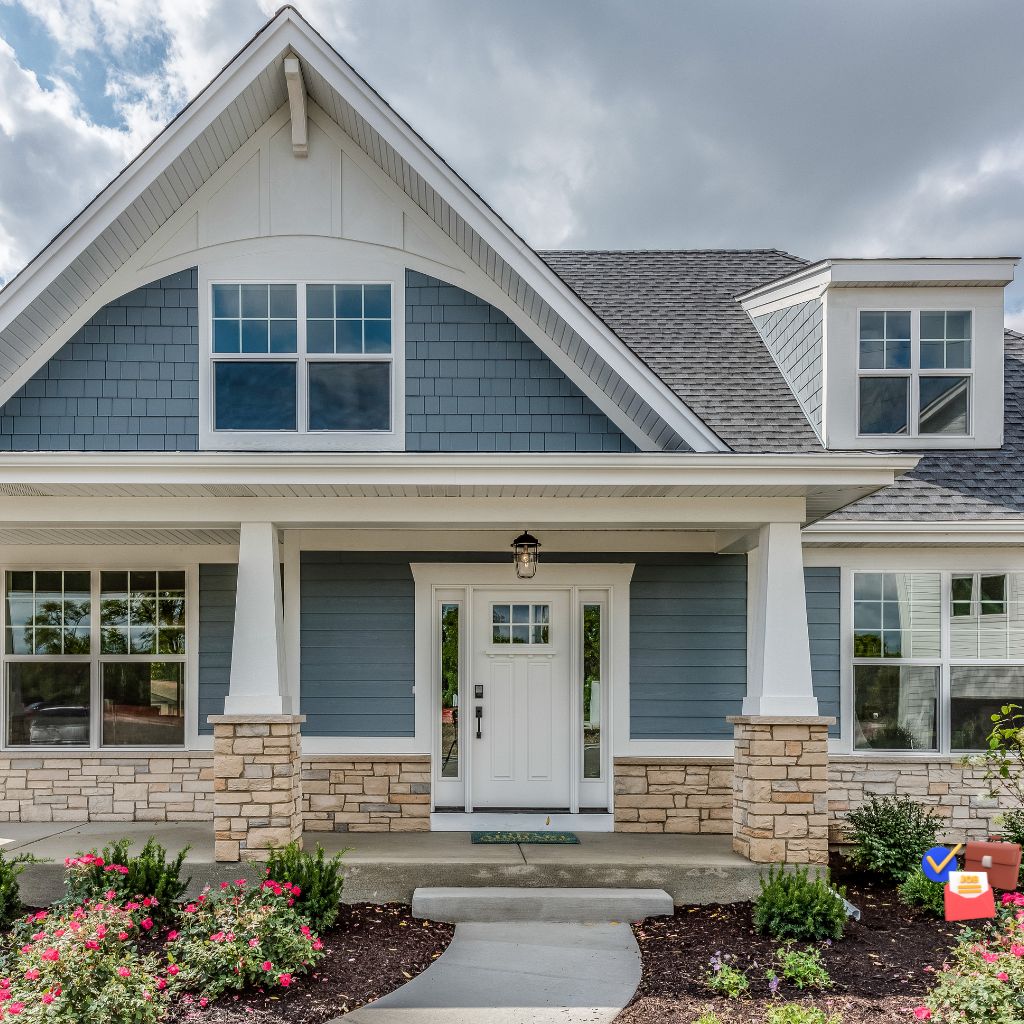
Does remodeling add value to your home? The simple answer is yes, but not all remodeling projects boost your home’s value equally.
When I first thought about remodeling my house, I was excited to make it look nicer and more modern. But I wasn’t sure which renovations would actually increase my property’s value or just cost me money. After researching and consulting with real estate experts, I realized some projects give a much better return on investment (ROI) than others.
In this article, I’ll explain which home improvements add the most value, which ones might not be worth it, and how to increase your home’s value even with little or no money.
If you’re planning renovations or want to boost your home’s market price, this guide is for you!
Which home improvement is least likely to increase the value of your home?
Not all home improvements guarantee a good return. The ones least likely to increase your home’s value include:
Personalized or overly trendy renovations: Bold colors or unique designs may not appeal to many buyers.
Swimming pools: Pools cost a lot to maintain and don’t always increase home value.
Luxury additions: High-end home theaters or game rooms might not add proportional value.
Overbuilding for the neighborhood: Adding a huge extension in a modest area may not recoup costs.
These projects can be fun or comfortable but might not help you when selling your home. It’s important to focus on improvements that appeal to the broadest range of buyers.
What renos add value?
Certain renovations consistently add value to a home:
Kitchen remodels: Updated kitchens with modern appliances and countertops are big sellers.
Bathroom upgrades: Fresh fixtures, vanities, and lighting improve appeal.
Adding energy-efficient windows or insulation: Helps reduce utility bills and attracts eco-conscious buyers.
Finishing basements: Adds usable living space and rental potential.
Curb appeal improvements: Landscaping, fresh paint, and a nice front door make a strong first impression.
These projects usually offer the best return on investment and help your home stand out.
How do you add 60 percent to your home’s value?
Adding 60% to your home’s value is ambitious but possible with major renovations like:
Complete kitchen and bathroom remodels with high-end finishes.
Adding new rooms or floors to increase square footage.
Upgrading heating, plumbing, and electrical systems.
Adding legal basement suites or rental units.
Enhancing landscaping and outdoor living spaces.
Keep in mind, these projects require significant investment and time. Always compare renovation costs to local home prices and market demand before starting.
How to increase your property value with little or no money at all?
You don’t always need a big budget to increase your home’s value. Here are some low-cost ways:
Declutter and deep clean: Makes your home look bigger and well-maintained.
Paint walls in neutral colors: Fresh paint brightens rooms and appeals to buyers.
Improve curb appeal: Mow the lawn, trim bushes, and clean walkways.
Upgrade hardware: New cabinet handles, faucets, and light fixtures add a fresh look.
Fix small repairs: Leaky faucets, squeaky doors, or cracked tiles make a difference.
These simple steps create a positive impression without breaking the bank.
What is the most valuable thing in a house?
The most valuable thing in a house is usually its location. No amount of remodeling can change that.
Besides location, the layout and usable space matter a lot. Open floor plans and functional rooms attract buyers.
Structural integrity, good roof, and updated systems (plumbing, HVAC) are also critical.
Remember, remodeling should improve what already makes your home desirable.
What home improvements have the best return on investment?
The home improvements with the best ROI include:
Minor kitchen remodels
Bathroom updates
New siding or exterior paint
Garage door replacement
Window replacement with energy-efficient models
These projects often recoup 70% or more of their cost at resale.
How to make your home look more expensive?
You can make your home look more expensive by:
Using high-quality paint in neutral, sophisticated colors.
Installing crown molding and baseboards for architectural detail.
Upgrading light fixtures to modern, stylish designs.
Keeping floors polished and adding area rugs for warmth.
Decluttering and organizing to showcase space.
Small touches can elevate your home’s appearance without major renovations.
Conclusion
Now that you know how remodeling can add value to your home, remember:
Focus on renovations that offer the best return on investment like kitchens and bathrooms.
Avoid overly personal or costly projects with low resale value.
Simple fixes like paint and cleaning can also boost value.
Location and layout remain the biggest factors in home worth.
Smart remodeling can increase your home’s value and enjoyment — plan carefully and enjoy the results!
Let me know if you want me to add your personal story or customize it further!